Skip to content

Skin rejuvenation is rarely about choosing the treatment with the strongest name or newest device. The better question is what type of change your skin needs. Some concerns sit closer to the surface, while others involve laxity, fine lines, scarring, or deeper skin changes. That difference is important when comparing AgeJet vs Moxi because the treatments use very different forms of energy.
People searching AgeJet vs Moxi laser treatments may assume both options are lasers, but AgeJet is not. AgeJet uses nitrogen plasma energy, while Moxi uses a 1927 nm non-ablative fractional laser. Understanding that distinction makes the comparison much clearer.
How do AgeJet and Moxi differ in the skin concerns they address?
AgeJet uses nitrogen plasma energy and may be considered for concerns such as fine lines, skin laxity, acne scars, and texture changes, while Moxi uses a non-ablative fractional laser that is commonly used for sun damage, uneven pigmentation, tone, and texture. The more suitable option depends on your primary skin concerns, treatment area, skin characteristics, and preferred level of recovery.
How AgeJet Works Beneath the Surface
An AgeJet treatment converts medical-grade nitrogen gas into plasma energy and delivers controlled thermal energy to the skin. Unlike an ablative resurfacing procedure that removes the surface, AgeJet is designed to preserve the outer skin layer during treatment while creating a controlled thermal response below it. The treated epidermis then sheds as the skin renews.
Because AgeJet does not depend on a pigment target, its technology can be used across different skin types. It is also used on delicate or difficult-to-treat areas, including the upper and lower eyelids, neck, décolletage, and hands.
AgeJet may be considered when concerns include fine lines, wrinkles, acne scars, uneven texture, or skin laxity. Changes develop gradually as the skin moves through repair and remodeling, so it is not a treatment built around an instant surface-level change.
What Makes Moxi Different?
A Moxi laser treatment uses a 1927 nm wavelength that is highly absorbed by water in the skin rather than selectively targeting melanin. It creates microscopic treatment zones while leaving surrounding tissue intact, which is why it is described as a fractional, non-ablative laser.
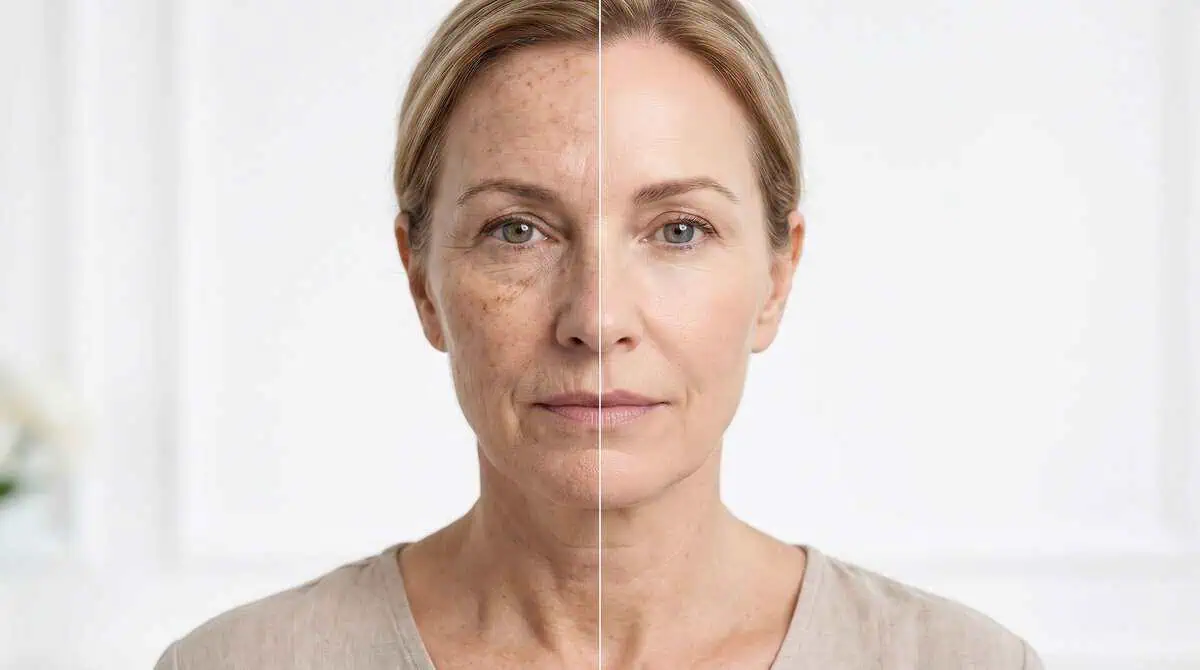
Moxi is frequently used for early sun damage, uneven tone, visible pigmentation, and rough texture. Treatment intensity can be adjusted, allowing providers to choose a lighter approach for maintenance or a more involved session for visible concerns.
After treatment, temporary redness and swelling can occur, followed by small areas of microscopic epidermal debris that gradually flake away. Recovery varies with treatment intensity and individual skin response.
Five Questions That Can Help Narrow the Choice
Choosing between these treatments starts with the concern you want to change rather than the device itself.
- Is pigmentation the main concern? Moxi may be considered when uneven pigment, sun damage, or overall tone is a primary focus.
- Is laxity or crepey skin more noticeable? AgeJet may be a discussion point when skin firmness, wrinkles, or laxity are higher priorities.
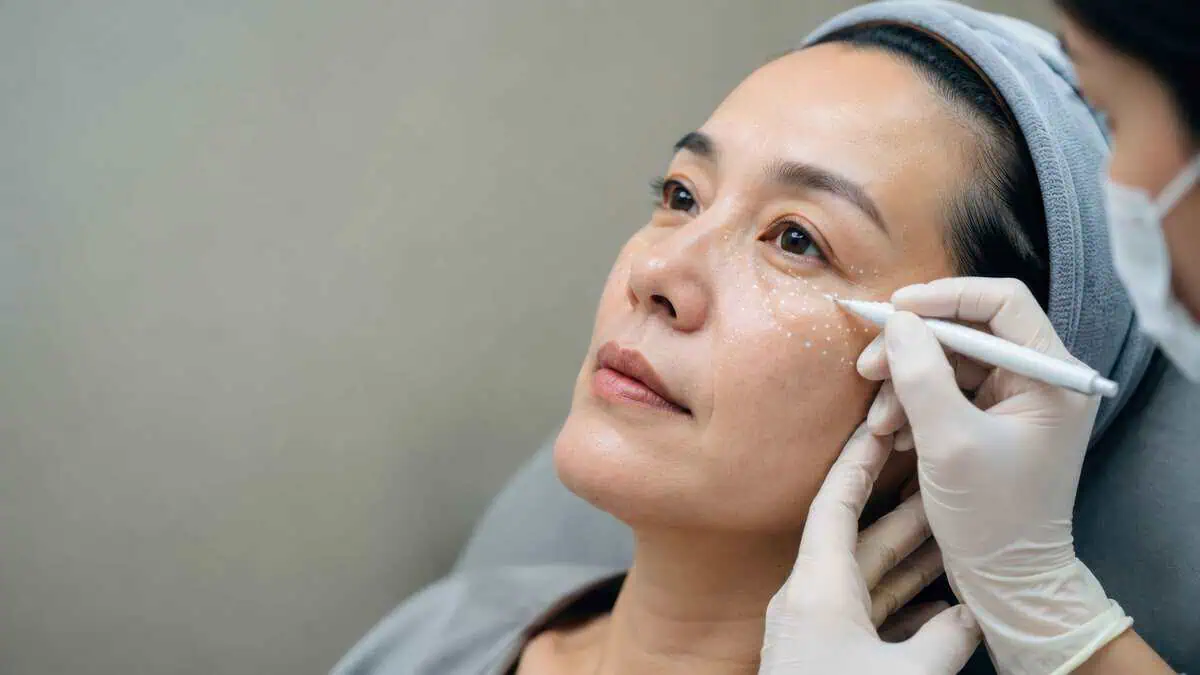
- Are you treating the eyelid area? AgeJet has a particular role in treating upper and lower eyelids because its nitrogen plasma technology can be used in this delicate area.
- How much recovery can you accommodate? Both are non-ablative, but the visible healing process differs, and treatment intensity can change what recovery looks like.
- Are several concerns present at once? A consultation can help determine which concern should be addressed first and which treatment fits the overall plan.
These questions are more useful than trying to label one device the best treatment for skin rejuvenation for everyone. Skin thickness, pigmentation, treatment area, past procedures, sensitivity, and the degree of correction desired all affect the recommendation.
Moxi vs AgeJet: Think in Terms of Treatment Goals
Looking at Moxi vs AgeJet as two versions of the same procedure misses the larger point. Moxi is a fractional laser with a strong role in tone, texture, and superficial pigmentation concerns. AgeJet uses non-fractional nitrogen plasma energy and is often selected when the treatment plan includes laxity, fine lines, scarring, or delicate areas such as the eyelids.
There is overlap. Both treatments can support smoother texture and a refreshed appearance, and both rely on controlled energy to prompt a healing response. Their delivery methods, treatment patterns, and typical areas of emphasis, however, are not interchangeable.
The appropriate option may also change over time. Someone initially focused on sun-related discoloration may have different needs later if skin laxity becomes more noticeable. A treatment plan should reflect the skin at that visit rather than relying on a fixed preference for one device.
Smooch Aesthetics AgeJet Treatment in Murrysville, PA
At Smooch Aesthetics, we offer AgeJet for patients who want to address signs of aging, uneven texture, acne scars, or areas of laxity without an ablative resurfacing procedure. The technology uses nitrogen plasma to create a controlled thermal effect while preserving the skin surface during treatment, allowing the renewal process to continue over the days and weeks that follow.
Our team also values the flexibility AgeJet gives us when treating areas such as the eyelids, neck, hands, and décolletage. Results are gradual, and the appropriate treatment intensity depends on the area being treated, your skin, and the concerns you want to improve.
If you are comparing AgeJet vs Moxi in Murrysville, PA, we can assess your skin and explain which approach better matches your priorities, expected recovery, and treatment area rather than basing the decision on the device name alone.
Not sure whether AgeJet or Moxi is right for your skin goals? Schedule a consultation with Smoocha Aesthetics.
Frequently Asked Questions
Is AgeJet a Laser Treatment?
No, AgeJet uses nitrogen plasma energy rather than laser energy to create a controlled thermal response in the skin.
What Skin Concerns Is Moxi Commonly Used For?
Moxi is commonly used to address early sun damage, uneven pigmentation, uneven tone, and textural changes.
Can AgeJet Be Used Around the Eyes?
AgeJet can be used on the upper and lower eyelid areas when treatment is performed by an appropriately trained provider.