Skip to content
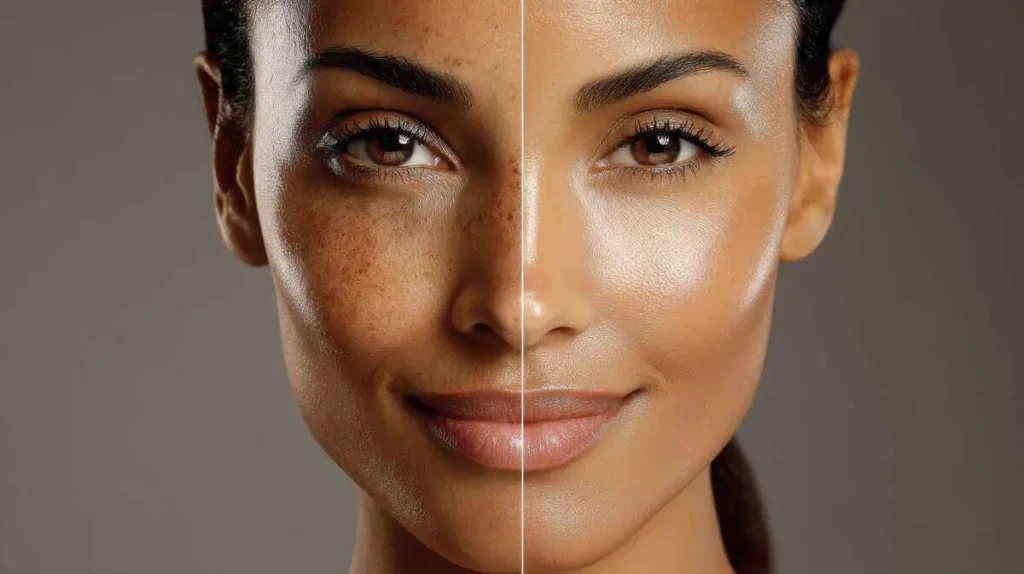
Table of Contents
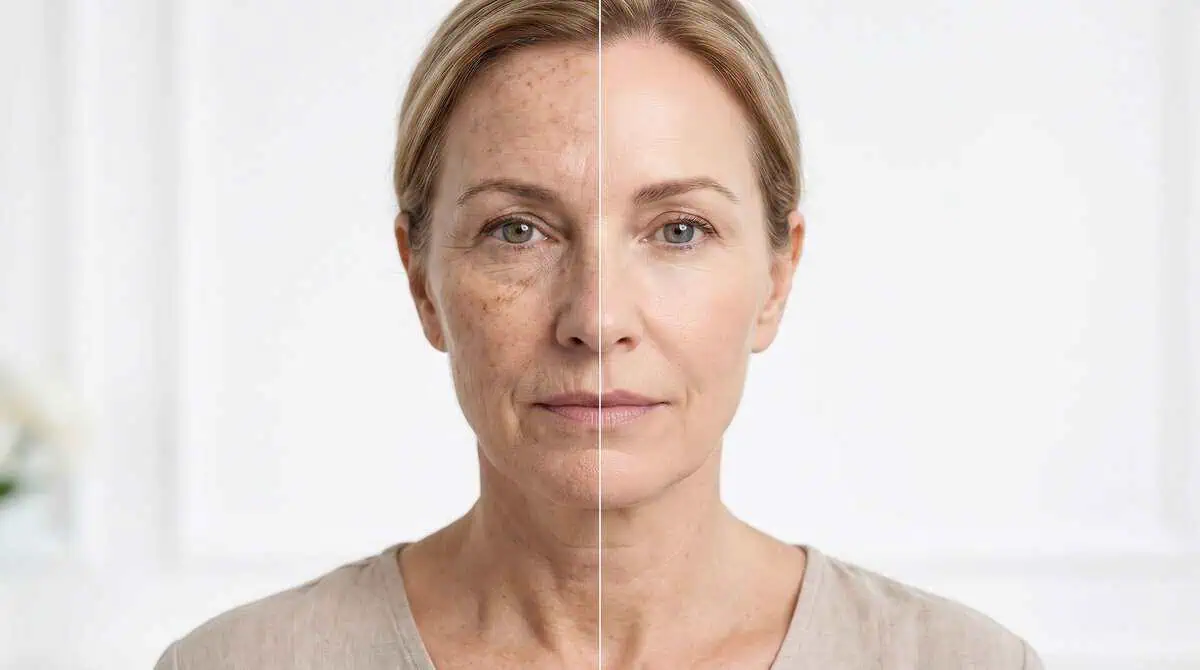
Uneven patches, dark spots, or blotchy discoloration can be frustrating, especially when they appear without warning or linger longer than expected. Many people try over-the-counter products with little change, not realizing that pigmentation issues often start deeper in the skin.
Understanding what is actually causing melasma or hyperpigmentation is the first step toward choosing a treatment that works. Once the triggers are clear, it becomes much easier to address them with the right approach.
What causes melasma and hyperpigmentation, and how can they be treated?
Melasma and hyperpigmentation happen when the skin produces excess melanin due to triggers like sun exposure, hormones, and inflammation. Treatments such as BBL therapy and specialized chemical peels help reduce pigment and create a more even skin tone.
What Is Melasma Vs. Hyperpigmentation?
Melasma and hyperpigmentation are often grouped, but they are not the same. Hyperpigmentation is a broad term that describes any darkened area of skin caused by excess melanin. This can include sun spots, acne marks, and age spots.
Melasma is more specific. It typically appears as symmetrical patches, often across the cheeks, forehead, upper lip, or jawline. The pigment tends to appear more diffuse than spot-like, which is one of the key ways it is identified.
Both conditions can show up on the face and body, but melasma is most commonly seen on sun-exposed areas of the face. Knowing the difference helps guide treatment, since melasma often requires a more targeted approach than standard dark spots.
What Causes Excess Pigment In The Skin?
Pigmentation begins at the cellular level. Specialized cells called melanocytes produce melanin, which gives skin its color. When these cells are triggered, they produce more pigment than usual, leading to visible darkening.
These triggers can come from inside the body or from external factors. The skin responds by increasing melanin production as a protective mechanism. In some cases, the pigment fades over time. In others, it settles deeper and becomes harder to treat.
Temporary pigmentation may resolve on its own, but chronic pigmentation tends to persist because the underlying trigger remains active. This is why some dark spots seem to return even after they fade.
The Most Common Triggers Behind Melasma And Dark Spots
Several triggers are known to cause or worsen pigmentation. Among them, sun exposure is the most significant. Even small amounts of UV exposure can stimulate melanin production and deepen existing discoloration.
Hormonal changes are another major factor, especially with melasma. Pregnancy, birth control, and hormonal fluctuations can all influence how the skin produces pigment.
Inflammation also plays a role. Breakouts, irritation, or aggressive skincare can leave behind marks known as post-inflammatory hyperpigmentation. These spots can take months to fade without treatment.
Heat and environmental exposure can further intensify pigmentation, especially in individuals already prone to melasma.
Why Are Some People More Prone To Pigmentation?
Not everyone develops melasma or persistent dark spots, and that often comes down to individual risk factors. Skin types with more natural pigment tend to be more reactive to triggers, which increases the likelihood of discoloration.
Genetics can also influence how the skin responds. If melasma runs in the family, there is a higher chance of developing it over time.
Lifestyle habits can add to the risk. Frequent sun exposure without protection, inconsistent skincare, and recurrent inflammation all contribute to persistent pigmentation issues. Over time, these repeated triggers can create long-lasting patterns that are harder to reverse.
How Do Professional Treatments Target Pigmentation At The Source?
Treating pigmentation effectively requires more than surface-level solutions. While topical products can help, deeper pigmentation often requires professional care to achieve meaningful change.
Light-based treatments work by targeting pigment within the skin and breaking it into smaller particles that the body can naturally clear. Chemical peels, on the other hand, help regulate melanin production while improving skin turnover.
Addressing both surface and deeper pigment is important, especially for melasma. Without this dual approach, results may be limited or temporary.
This is why many people searching for the best treatments for pigmentation turn to in-office options for more consistent results.
How BBL Therapy Helps Even Out Skin Tone
BBL, or broadband light therapy, is one of the most effective options for addressing uneven pigmentation. It uses pulses of light energy to target pigment and reduce discoloration without damaging surrounding tissue.
For patients considering BBL for pigmentation, this treatment can help improve sun damage, age spots, and overall skin tone. It works by gradually clearing pigment while also supporting healthier-looking skin.
Results develop over a series of sessions, with improvements becoming more noticeable as pigment breaks down and fades. Many patients appreciate that their skin looks clearer and more balanced over time, rather than changing all at once.
At Smooch Aesthetics, BBL is often recommended for patients who want to address both pigmentation and early signs of aging in a single treatment plan.
How The CosmelanMD Peel Works For Stubborn Melasma
Melasma can be more resistant than other types of pigmentation, which is where specialized treatments like the CosmelanMD Peel come in. This professional chemical peel for dark spots is designed to reduce melanin production at its source.
The treatment includes an in-office application followed by a guided home care routine. This combination helps control pigment formation while gradually improving skin clarity.
CosmelanMD is particularly helpful for deeper or more persistent melasma that does not respond well to standard treatments. Over time, patients typically notice a brighter complexion and more even tone, especially when the full protocol is followed.
For those seeking melasma treatment in Murrysville, PA, this option offers a focused approach to one of the most challenging pigmentation concerns.
How To Prevent Pigmentation From Coming Back
Even after successful treatment, maintaining results is just as important as achieving them. Pigmentation can return if the original triggers are not managed.
Sun protection is one of the most important steps. Daily use of sunscreen helps prevent new pigment from forming and protects existing results.
Reducing heat exposure, avoiding unnecessary skin irritation, and sticking to a consistent skincare routine all support long-term improvement. For some patients, occasional maintenance treatments help keep pigment under control.
Understanding your personal triggers makes it easier to protect your skin and maintain a more even tone over time.
Ready For Clearer, More Even Skin?
Pigmentation can be stubborn, but it is not something you have to manage on your own. With the right approach, it is possible to improve uneven tone and feel more confident in your skin again.
At Smooch Aesthetics, we take the time to identify what is driving your pigmentation and recommend treatments that align with your skin’s needs. Struggling with melasma or hyperpigmentation? Schedule your consultation today to find the right treatment for smoother, more radiant skin.